
Electrical Insulation Powder Coatings for Busbars and Energy Equipment: More Than Surface Protection
When Powder Coating Becomes Part of the Electrical System
In many industrial applications, powder coating is primarily used for corrosion protection and appearance. In electrical and energy equipment, however, the coating can perform a much more critical function.
Busbars, battery trays, energy-storage components, transformer parts, motor stator and rotor slots, and magnetic components may require a coating that provides electrical insulation as well as mechanical and environmental protection.
This changes the way the powder should be selected.
Color and gloss become secondary. More important questions include dielectric performance, film uniformity, adhesion, flame retardancy, thermal stability and long-term reliability under changing temperature and humidity.
Rivers Powder Coatings has developed dedicated EX Series electrical insulation powder coating solutions for these applications, supporting manufacturers in power distribution, energy storage and electrical equipment.

Why Busbars Need a Reliable Insulation Layer
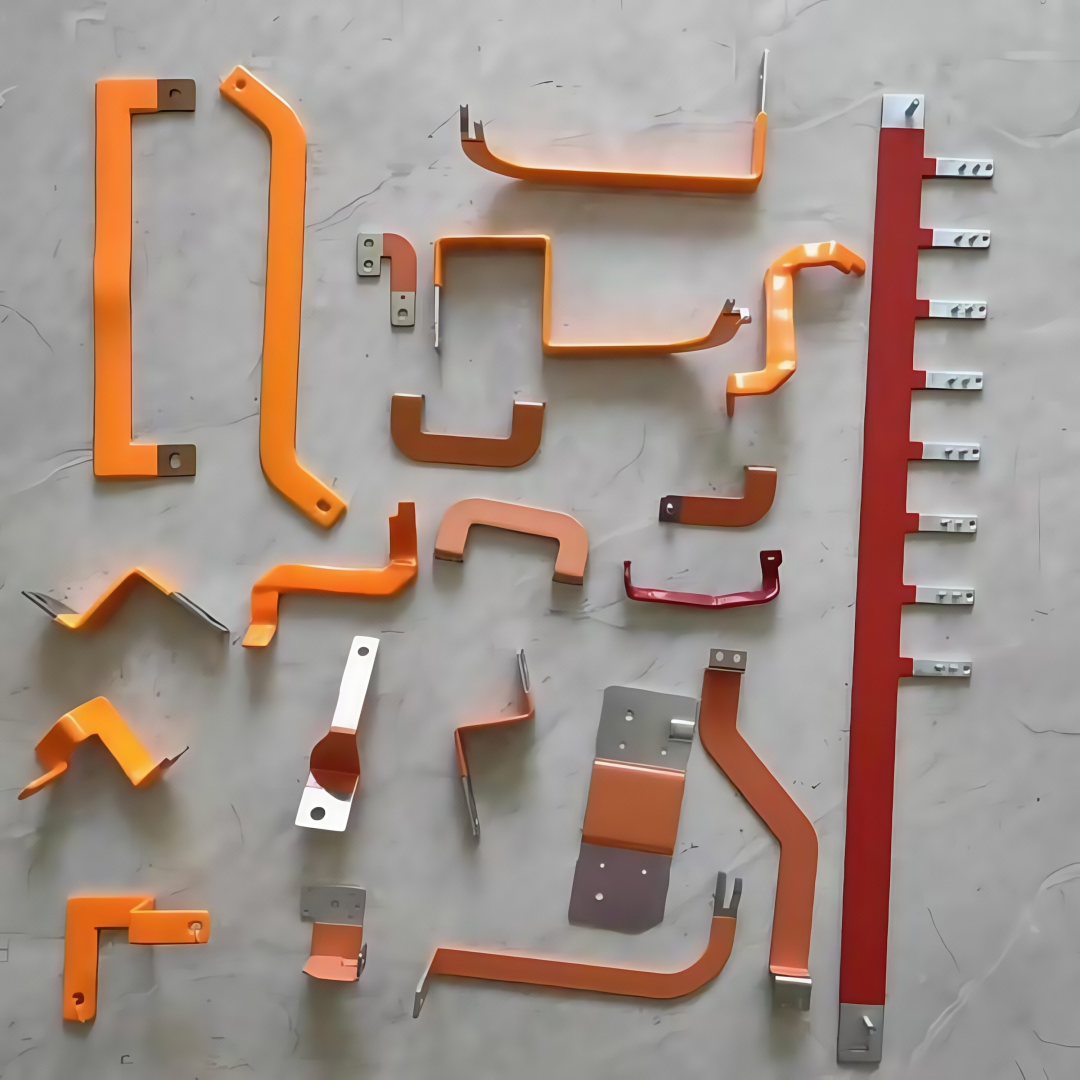
Copper and aluminium busbars are widely used to carry high electrical currents inside switchgear, distribution systems, energy-storage equipment and other electrical assemblies.
Applying an insulating coating can help provide electrical isolation between conductive surfaces while also protecting the metal against environmental exposure and accidental contact.
But coating a busbar is different from coating a decorative metal panel.
Edges, bends, holes and connection areas can create significant film-thickness variation. Sharp edges are particularly challenging because electrostatic powder deposition and melt flow may produce a thinner coating than on flat surfaces.
For electrical insulation applications, that difference matters.
A visually acceptable component may still contain a weak point if the insulating film is too thin in a critical area.
The objective is therefore not simply to cover the busbar—it is to create a continuous and controlled insulating layer.
Insulation Performance Must Be Verified
Electrical powder coatings should be evaluated according to the actual requirements of the component.
Within Rivers' electrical insulation portfolio, selected systems have demonstrated insulation performance of more than 3,800 V under defined test conditions.
For applications where flame resistance is required, Rivers also has products meeting UL94 V-0 performance requirements.
These values are important qualification references, but they should always be interpreted together with film thickness, substrate geometry and the customer's test method.
A coating's electrical performance is not determined by the powder formulation alone.
Application quality matters just as much.
For this reason, Rivers works with customers to determine appropriate coating thickness and curing conditions rather than treating a laboratory voltage figure as a universal specification for every component.
Energy Storage Adds Temperature and Humidity Challenges
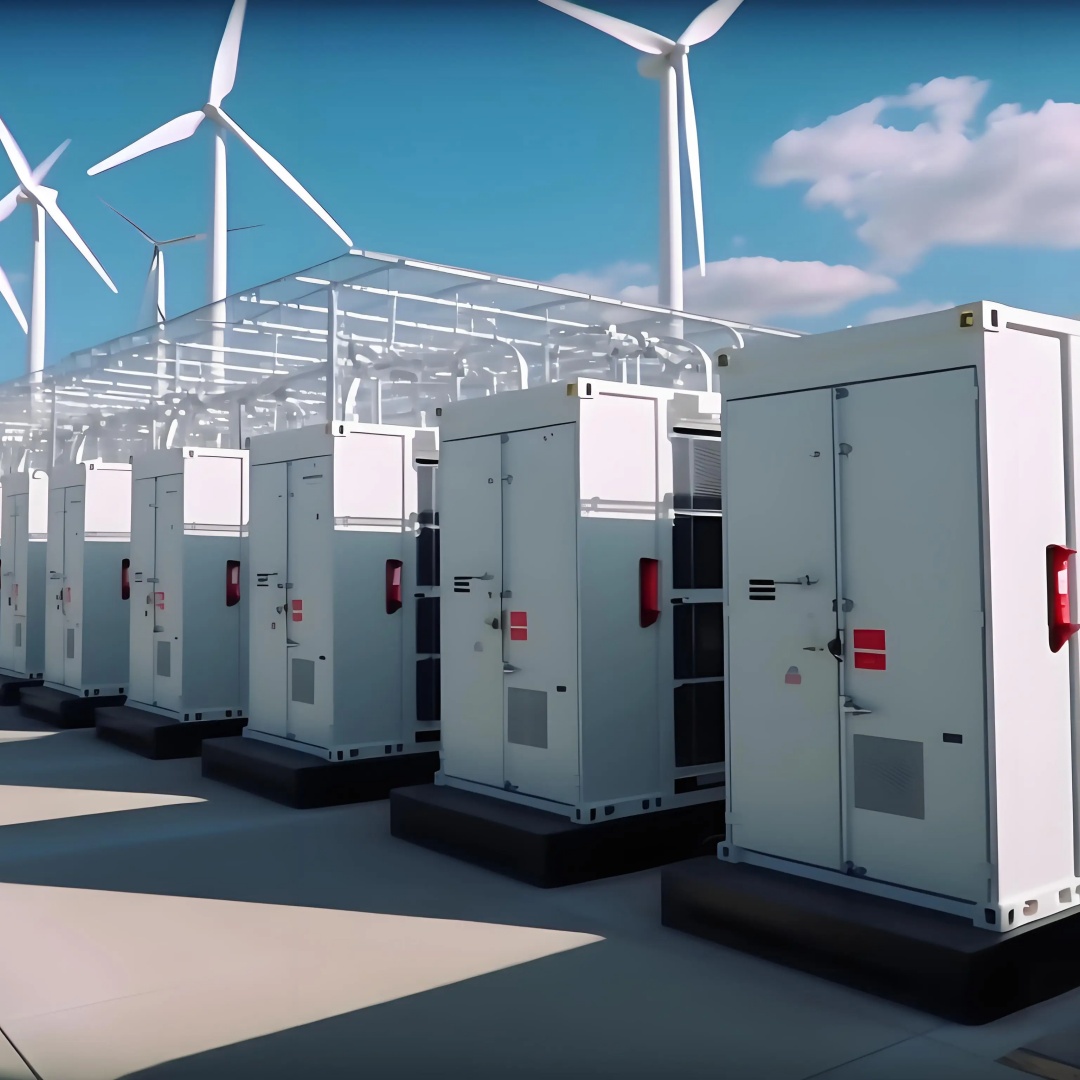
The rapid development of energy-storage systems creates additional requirements for coating materials.
Battery-related components may experience prolonged heat and humidity, temperature cycling and demanding service environments.
Rivers' functional coating development includes systems evaluated through double-85 testing—85°C and 85% relative humidity for up to 1,000 hours—as well as up to 1,000 thermal shock cycles for selected products and defined test conditions.
These tests are useful because electrical insulation needs to remain reliable after environmental aging, not only immediately after the coating has cured.
For battery trays, busbars and other energy components, the coating system may therefore need to balance several properties simultaneously:
electrical insulation, adhesion, thermal resistance, humidity resistance, mechanical integrity and flame-retardant performance.
This is why functional electrical powders should be developed around the complete operating environment.
Film Thickness and Curing Need Tight Control
With decorative powder coating, a small variation in film thickness may mainly affect appearance or material consumption.
With an electrical insulation coating, it can influence functional performance.
Complex components can produce thinner films around edges and thicker deposits on exposed flat areas. Simply increasing powder output is not always the best solution.
Gun voltage, powder output, grounding, workpiece geometry and spraying sequence all influence coverage.
Curing is equally important.
The powder must receive sufficient metal temperature and curing time to develop its intended properties. Large copper or aluminium components can absorb significant heat, meaning the oven-air temperature alone may not accurately represent the actual curing condition of the coating.
Production trials should therefore confirm both film distribution and actual substrate temperature.
Beyond Busbars: A Broader Electrical Application Platform
Electrical insulation powder coatings can serve a much wider range of components than busbars alone.
Rivers' functional coating portfolio has been developed for applications including battery trays, energy-storage systems, busbars, stator and rotor slot insulation, magnetic rings and other electrical components.
The formulation can be adjusted according to substrate, component geometry, required insulation level and production process.
This gives manufacturers the possibility of replacing certain traditional insulation or liquid-coating processes with a powder-based system where technically appropriate.
Powder coating also offers practical manufacturing benefits: very low conventional VOC emissions during application, efficient material utilization and the potential for automated industrial production.
Rivers' Experience in Power and Energy Applications
Functional electrical coatings require a different development approach from standard decorative powders.
Rivers combines dedicated formulation capability with practical experience serving power-equipment and energy-industry customers, including transformer-related applications and electrical insulation projects.
The company's product portfolio includes systems used for power and energy equipment manufacturers such as XJ Electric and Jiangsu Huachen Transformer, while overseas projects have also involved electrical and transformer applications in markets such as Saudi Arabia and Kazakhstan.
For international customers, Rivers can provide English TDS/SDS, available test documentation, customized samples and technical application support.
This is particularly important for electrical projects because the customer's own qualification tests often determine whether a coating can move into commercial production.
Rather than assuming one insulation powder fits every application, Rivers can work from the customer's voltage requirement, substrate, geometry, coating thickness and test standard.
From Requirement to Qualified Production
A practical electrical insulation project should follow a structured path:
Application Requirement → Substrate & Geometry Review → Powder Selection → Sample Coating → Electrical / Environmental Testing → Production-Line Trial → Bulk Supply
This process reduces the risk of approving a powder based only on a flat laboratory panel.
The final component must be tested.
For manufacturers developing new energy or electrical equipment, this approach can shorten the path from material selection to production qualification while providing clearer technical responsibility at each stage.
For Rivers, that is the role of a functional powder coating supplier: not simply supplying powder, but helping turn coating performance into reliable component performance.
Call to Action
Developing a busbar, energy-storage or electrical insulation coating project? Send Rivers your substrate, component drawing, required insulation voltage, film thickness and test specification. We can support product selection, customized samples, TDS/SDS, available test reports, quotations and technical application evaluation.

Rivers (Qianjiang) Group
Zhaoqing Qianjiang High-Tech Materials Technology Corporation
Guangdong Huajiang Powder Technology Co., Ltd.
Shandong Qianjiang Powder Technology Co., Ltd.
Guangdong Wesdon Rivers Powder Paints Scientifc Research Co., Ltd.
Zhaoqing Qianjiang Coating Co., Ltd.
Zhuhai Zhengdong Chemicals Co., Ltd.
Zhongshan Yonghan Industrial Additives Co., Ltd.
Guangdong Honglang Technology Co., Ltd.
WhatsApp:+86 150 1171 7323
Mail:global@riversqj.com
Address:
Guangdong Huajiang Powder Technology Co., Ltd.
No. 27 Jianshe Road, Dawang High tech Zone, Zhaoqing, Guangdong Province


